
A next-generation gamified city experience - merging AR exploration, digital rewards, and immersive storytelling across the city of Dubai.
A next-generation gamified city experience - merging AR exploration, digital rewards, and immersive storytelling across the city of Dubai.

Solve location-based puzzles using augmented reality.
Earn points, perks, and digital badges for every mission.

Unlock rare Dubai-themed digital items and NFTs.
Dubai’s tourism ecosystem is already built around immersive, tech-driven and visually-rich visitor experiences. The city actively promotes AR/VR integration, digital storytelling, and high-engagement attraction models - making Dubai Hunt a natural extension of what the tourism landscape is evolving toward.
AURIX Hunt is an interactive AR + VR platform where visitors explore iconic Dubai landmarks through a gamified, educational experience enhanced by 3D environments, storytelling, and immersive missions.
Users place a 3D portal or 360° sphere into their real environment and step into a captured Dubai location.
Every landmark includes 5–10 interactive hotspots with quests and mini challenges.
Each location uses 360° panoramic images, immersive audio, and embedded AR objects.
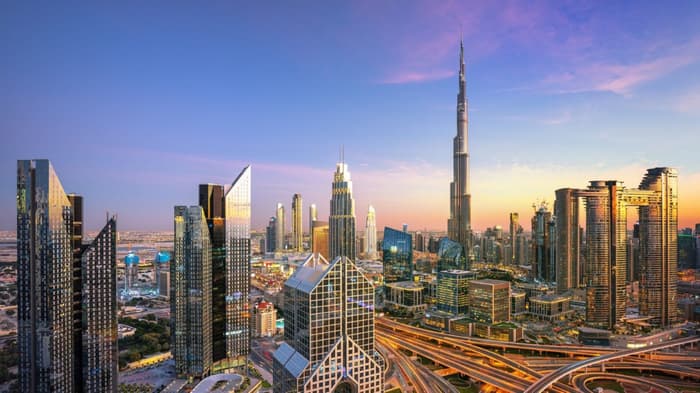
Burj Khalifa, Dubai Mall & AR discovery trails.
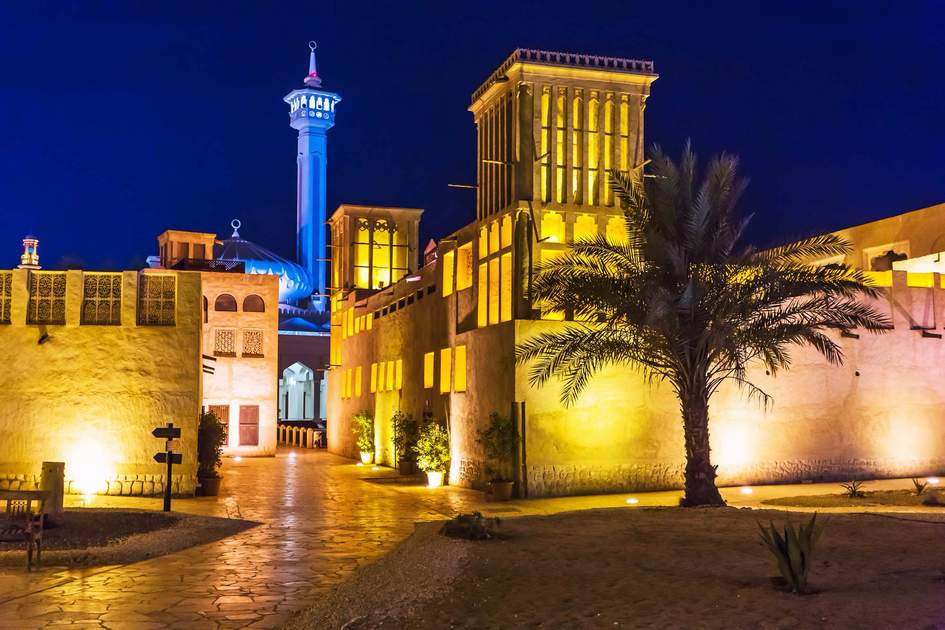
Creek missions & puzzle-based cultural routes.

Museum of the Future & neon cyber quests.
"Why Dubai first, and why now?"
Dubai is a global tourism hub ($30B+ annual spend) investing heavily in Vision 2030. Post-pandemic tourism is up 30% YoY, and AR is now mobile-native (1B+ devices). We align with DTCM’s digital goals to provide sponsors with measurable ROI.
"What’s the TAM/SAM/SOM breakdown?"
TAM: $100B+ (Global tourism digital spend). SAM: $12B (Smart cities in ME/Asia). SOM: $250M-500M (1-2% share) by Year 5 via 200+ zones across 15 cities.
"How does AURIX differ from Pokémon GO or Snapchat?"
We are B2B infrastructure, not a consumer game. We offer programmable zones, data ownership, and heatmaps for authorities. Our dual-mode (Outdoor AR/Indoor VR) ensures year-round utility without biometric privacy risks.
"What about approvals and IP?"
We align with DTCM procurement realities - anchor engagements typically assume a 4–6 month sales/approval cycle for major partners. IP is protected via patents for our AR-analytics engine and mission builder, creating a moat through institutional API integrations.
"Analytics Product - new expansion layer"
Standalone analytics subscriptions increase recurring revenue and act as a moat (pricing and projected revenue):
"Walk me through your revenue model."
70% Recurring B2B: City licenses ($250k-$750k) and venue SaaS ($2k-$5k/mo). 20% Campaigns: Brand activations. 10% B2C: Premium passes. Blended ACV: $100k-$200k with 60-70% mature margins.
"What are the 5-year projections?"
We refined early-year assumptions: conservative cap for 2026 is now $1.8M (Dubai-only) and 2027 at $4.5M (adding Singapore pilots). The original base-case ($2.1M in 2026 → $52M in 2030) remains as an upside scenario; we've added conservative and upside sensitivity scenarios in the pack to reflect procurement realities and analytics upsell potential.
Unit Economics & Cost Structure (high-level)
"What is the exit story?"
Acquisition by tourism giants (TripAdvisor, Booking.com) or sovereign funds (Mubadala) at 12-15x revenue (estimated $416M–$780M '30). Comparable to Niantic ($9B) or Sidewalk Labs.
Closing Remarks:
"We're raising $8M–$12M Series A for regional scale, following our $500k pre-seed pilots. A $2.5M–$3M seed is recommended to reach multi-zone proof across Asia."
Projected Users (6 mo)
100,000
AR/VR Sessions
1,000,000+
Revenue (Year 1)
$1,800,000
Break-even
18 months
500K
Active Players
10M
Completed Missions
92%
User Satisfaction
13%
Monthly Growth
The following projections are based on conservative user acquisition, blended ARPU growth, and real-world tourism partnership benchmarks. No speculative token economics or inflated engagement multipliers are used.
Real-time market projections, platform engagement and revenue models
0
Cities Planned
0
Revenue ($M)
0
Years to Profitability
0
Launch Cities

AURIX Hunt extends the city’s tourism strategy by enabling interactive, family-friendly missions that enhance cultural learning, drive footfall to key districts, and create new digital engagement points for visitors.